






Silver diamine fluoride (SDF) has moved from a niche pediatric tool to a mainstream part of caries management — and for good reason. It’s fast, minimally invasive, and effective at arresting decay without a handpiece. But it also comes with a well-known tradeoff: permanent black staining on treated lesions. Knowing when to reach for SDF, and how to set patient expectations beforehand, makes all the difference in whether it becomes a trusted part of your toolkit or a source of chairside surprises.
What Silver Diamine Fluoride Actually Does
SDF is a topical liquid — typically at 38% concentration — that combines silver’s antimicrobial properties with fluoride’s remineralizing effect. When applied to an active carious lesion, it arrests the decay process by killing cariogenic bacteria and hardening the demineralized dentin, without removing any tooth structure.
It doesn’t restore anatomy or function on its own. It stops the lesion from progressing, buying time or, in some cases, serving as a long-term management strategy where restorative treatment isn’t feasible.
Ideal Use Cases for SDF
- Young or pre-cooperative pediatric patients where traditional restorative treatment would require sedation or isn’t yet tolerated
- Patients with high caries risk and multiple active lesions, where SDF can be used to triage and stabilize before a full restorative plan is completed
- Elderly or medically compromised patients, including those in long-term care, where drilling and traditional restorations carry more risk or logistical difficulty
- Root caries in older adults, which SDF is particularly effective at arresting
- Patients with dental anxiety who need an interim, non-invasive option while building tolerance for further treatment
SDF is generally not the right choice as a sole treatment for large cavitations affecting function or esthetics in visible anterior teeth, given the staining it causes — more on that below.
The Staining Conversation: How to Set Expectations
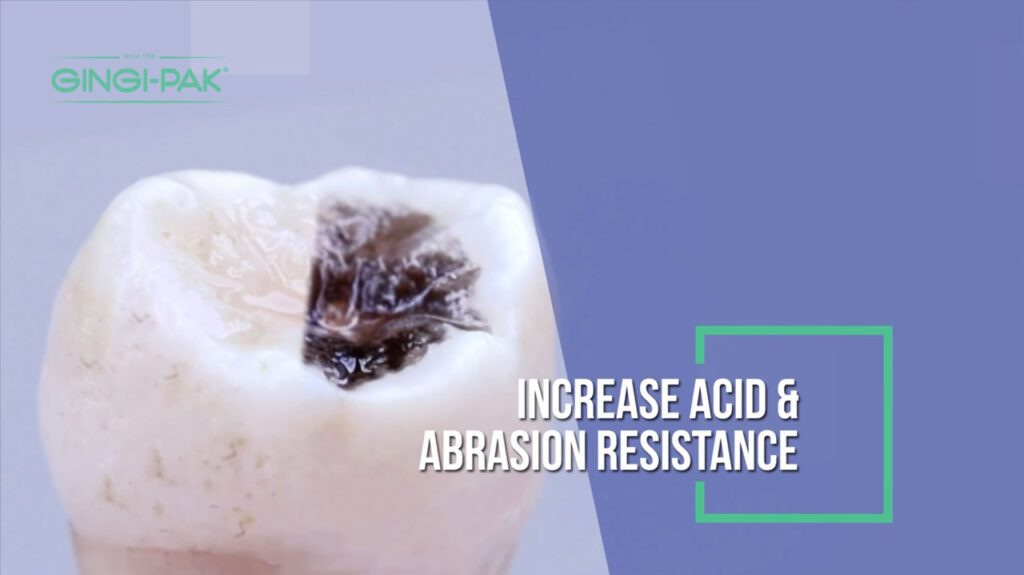
The single biggest driver of patient (or parent) dissatisfaction with SDF isn’t the treatment itself — it’s being surprised by the staining afterward. Arrested lesions treated with SDF turn black or dark brown, and that staining is permanent on the treated area.
A few things that help this conversation go smoothly:
- Explain the tradeoff before treatment, not after — most patients accept the staining readily when they understand it means avoiding drilling, injections, or sedation.
- Show, don’t just tell. Before-and-after photos of typical staining set realistic expectations far better than a verbal description alone.
- Frame it around location. Staining on a posterior tooth is rarely a concern; staining on a visible anterior surface is a different conversation, and may point toward a different treatment plan.
- Clarify that it’s not a permanent restoration. Patients should understand SDF arrests the lesion — it doesn’t rebuild the tooth. Some cases still need a follow-up restoration once the patient is ready.
Application Basics
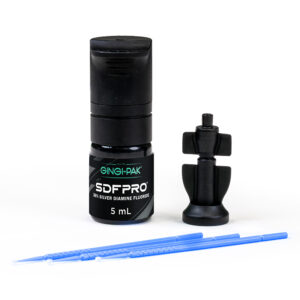
SDF application is straightforward: isolate and dry the tooth, apply the solution directly to the lesion with a microbrush, allow the recommended contact time, and remove excess. SDF Pro™ 38% Silver Diamine Fluoride is formulated for this straightforward chairside workflow, with no drilling or anesthesia required in most cases.
Petroleum jelly or a similar barrier on adjacent soft tissue is worth applying first, since SDF can also temporarily stain skin and mucosa on contact.
Documentation and Follow-Up
Because SDF is a caries management strategy rather than a one-time fix, treated teeth should be monitored at recall visits to confirm the lesion remains arrested. Some practices reapply SDF at intervals as part of an ongoing risk-management protocol, particularly for high-risk patients. Clear documentation of which teeth were treated, and the plan for reassessment, helps keep this from falling through the cracks between visits.
Final Thoughts
SDF isn’t a replacement for restorative dentistry, but it fills a real gap — arresting active decay quickly, non-invasively, and often without local anesthesia. The clinical case for using it is usually easy to make. The patient conversation about staining is where most of the work happens, and it’s worth having that conversation clearly and early.
Learn more about SDF Pro™ 38% Silver Diamine Fluoride, part of Gingi-Pak’s preventive product line.